
Category: Blog Post
-
Automatize the deployment of Kubernetes Clusters on Cloud Infrastructure
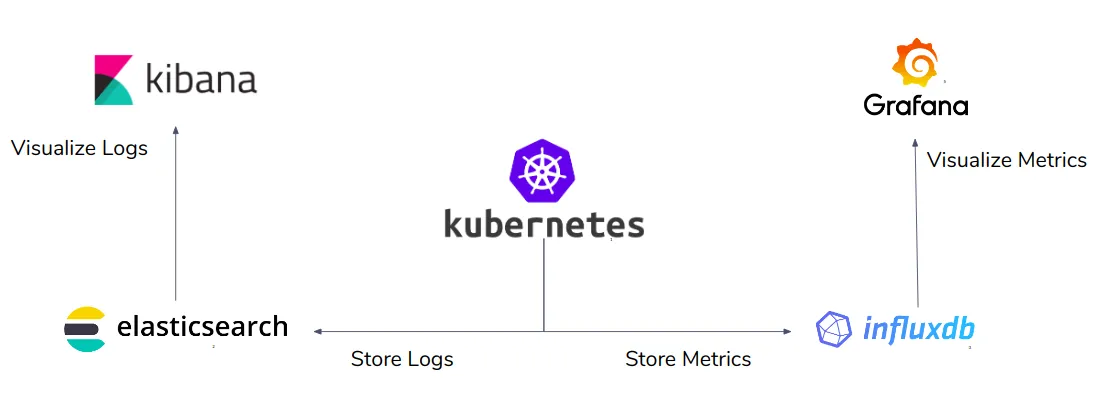
Automatize the deployment of Kubernetes Clusters on Cloud Infrastructure Hi, my name is Priyanshu Khandelwal. I was amongst the 40 students selected from all over the world to work at CERN as an Openlab Summer Student 2019. I worked in the IT-DB-DAR section under the supervision of Mr Antonio Nappi. Introduction At CERN’s IT-DB-DAR section,
-
Building and documenting REST APIs with ORDS
Building and documenting REST APIs with ORDS Introduction In the first part of the article we will provide an overview of how you can use Oracle REST Data Services for providing APIs directly from your PL/SQL code . The second part covers how to document our Web services using Swagger. Lets begin with a couple
-
Benefits of a multi-layer system
Benefits of a multi-layer system Introduction Designing a multi-layer system is not rocket science, the difficulty can lie in selecting the right technologies. The main concept behind the design is to have better control and fine tuning of the components. This blog post will discuss the benefits & limitations of implementing this type of design
-
Oracle REST Data Services running on Tomcat – Basic Authentication using JNDI Realm
Oracle REST Data Services running on Tomcat – Basic Authentication using JNDI Realm What do we want to achieve? We want to protect our REST endpoints using Basic Authentication and authenticate the requests against our users directory (LDAP). We also want to manage the privileges centrally, through the ORDS Roles and Privileges (https://oracle-base.com/articles/misc/oracle-rest-data-services-ords-authentication#ords-roles-and-privileges), so no
-
Internationalization of the 2019 Open Days reservation system
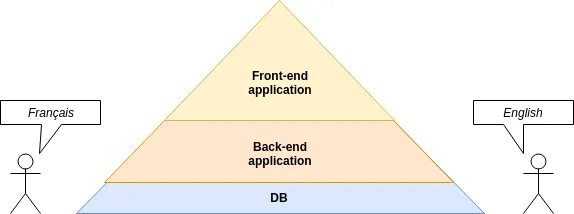
Internationalization of the 2019 Open Days reservation system Introduction International organisations can have multiple official languages, in these cases usually their workflows/processes are designed to support that. CERN is one of those organisations, it's official languages are French and English. Therefore one of our tasks was to make the Open Days reservation system bilingual. In
-
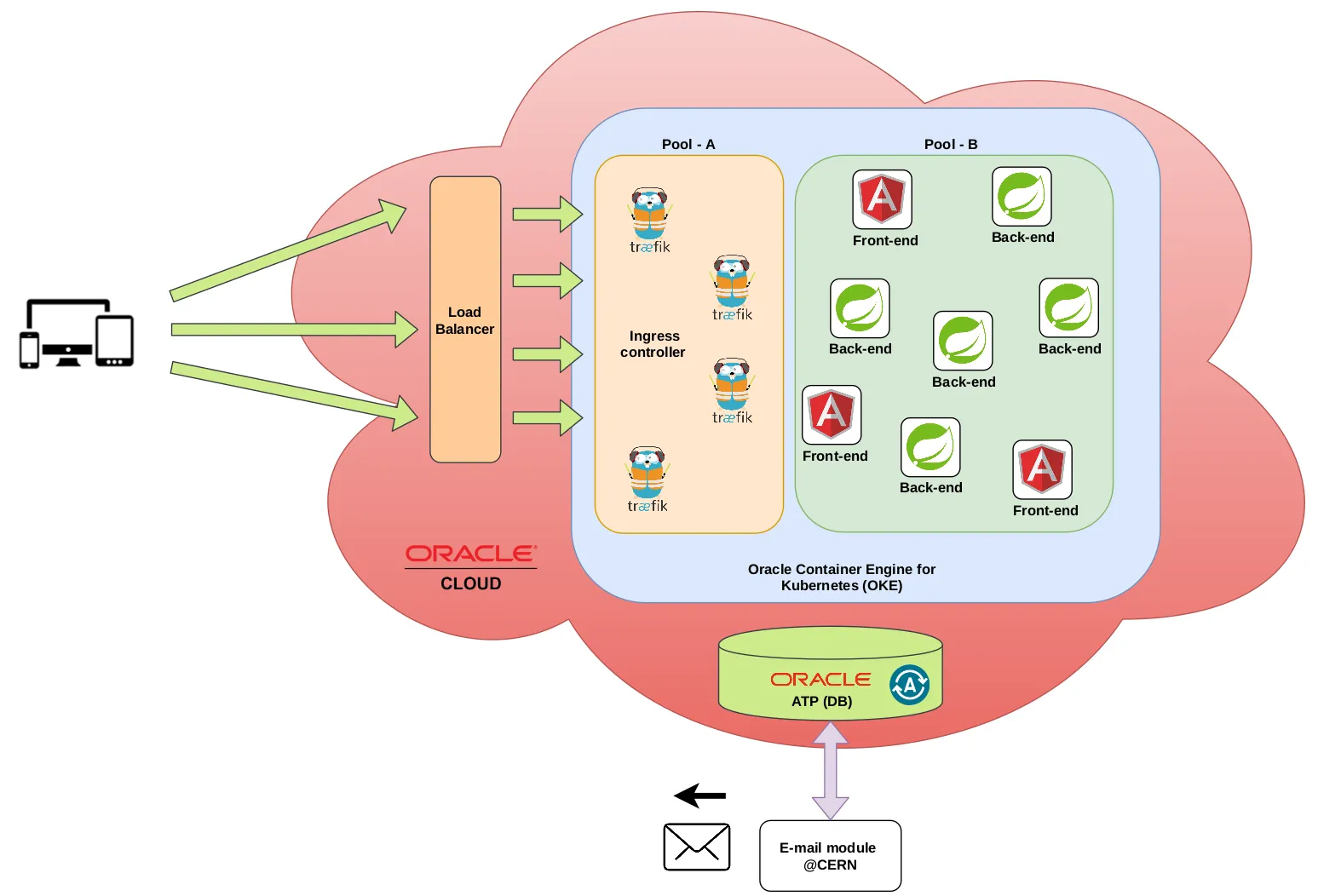
Open Days reservation system’s high level overview – 2019
Open Days reservation system’s high level overview – 2019 Introduction The LHC has a schedule of maintenance and performance upgrades. During these longer shutdowns CERN holds its major Open Days events. These allow the general public to visit areas normally restricted and used for research activity. Previous events have seen daily over 35k people visiting.
-

Internationalization: concepts and implementations
Internationalization: concepts and implementations Introduction We are in an era where lots of things can be achieved with just a few clicks and quick typing on the web. This simple and fast information exchange has made this method become a standard form of communication. The web removes physical boundaries and allows people with different nationalities
-
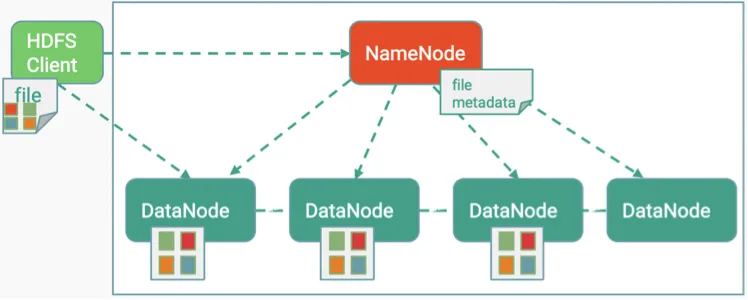
Evaluation of Erasure Coding in Hadoop 3
Evaluation of Erasure Coding in Hadoop 3 Authored By: Nazerke Seidan, Emil Kleszcz, Zbigniew Baranowski Published By: CERN IT-DB-SAS In this post, we will dive into the evaluation of the Erasure Coding feature of Hadoop 3 that I worked on this summer as a CERN Openlab intern. The evaluation has been performed on one of
-
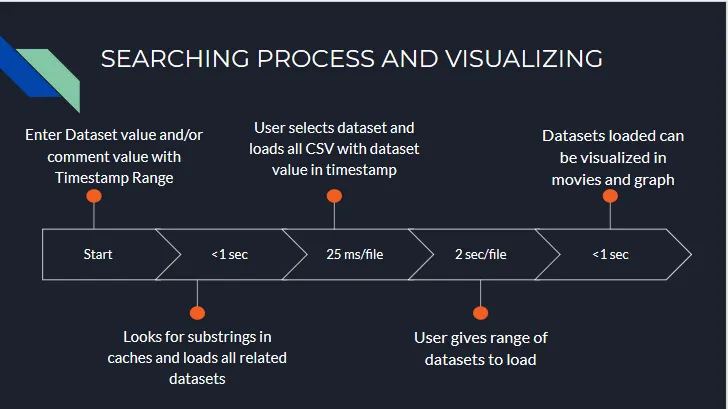
Large Scale data reduction of AWAKE experiment data with Apache Spark and Notebooks
Large Scale data reduction of AWAKE experiment data with Apache Spark and Notebooks Authored By: Aman Pratap Singh and Prasanth Kothuri Published By: CERN IT Hadoop and Spark Service Introduction The Large Hadron Collider (LHC) is the largest and most powerful collider in the world. It boosts the particles in a loop 27 kilometres in
-
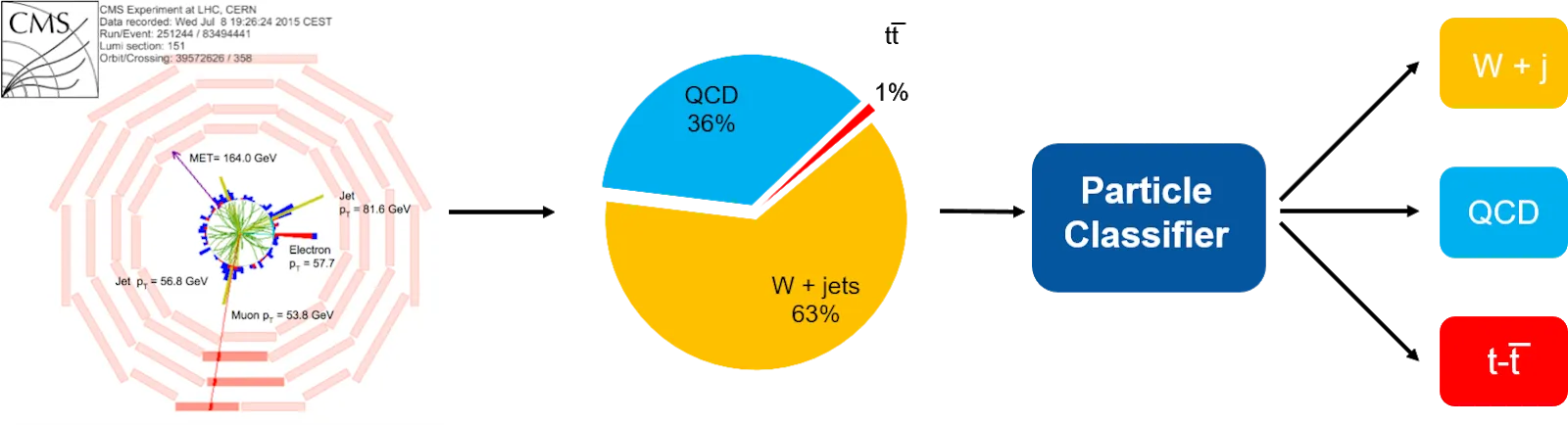
Machine Learning Pipelines for High Energy Physics Using Apache Spark with BigDL and Analytics Zoo
Machine Learning Pipelines for High Energy Physics Using Apache Spark with BigDL and Analytics Zoo Topic: This post describes a data pipeline for a machine learning task of interest in high energy physics: building a particle classifier to improve event selection at the particle detectors. The pipeline is built using tools from the “Big Data