
Tag: CERN
-

Performance Comparison of 5 JDKs on Apache Spark
Performance Comparison of 5 JDKs on Apache Spark Dive into a comprehensive load-testing exploration using Apache Spark with CPU-intensive workloads. This blog provides a comparative analysis of five distinct JDKs’ performance under heavy-duty tasks generated through Spark. Discover a meticulous breakdown of our testing methodology, tools, and insightful results. Keep in mind, our observations primarily
-

Building a Semantic Search Engine and RAG Applications with Vector Databases and Large Language Models
Building a Semantic Search Engine and RAG Applications with Vector Databases and Large Language Models This blog post is about building a getting-started example for semantic search using vector databases and large language models (LLMs), an example of retrieval augmented generation (RAG) architecture. You can find the accompanying notebook at this link. See also the
-
Exploratory Notebooks for Deep Learning, AI, and Data Tools: A Beginner’s Guide
Exploratory Notebooks for Deep Learning, AI, and Data Tools: A Beginner’s Guide Are you looking at some resources to get you up to speed with popular Deep Learning and Data processing frameworks? This blog entry provides a curated collection of notebooks that will help you kickstart your journey. You can find the notebooks at this
-
CPU Load Testing Exercises: Tools and Analysis for Oracle Database Servers
CPU Load Testing Exercises: Tools and Analysis for Oracle Database Servers This document describes some basic CPU load testing exercises on three different types of database servers used by the Oracle Service at CERN. It reports on the tests performed, tools used for data gathering, data analysis, findings, and lessons learned. Motivations CPU usage is
-
Apache Spark 3.0 Memory Monitoring Improvements
Apache Spark 3.0 Memory Monitoring Improvements TLDR; Apache Spark 3.0 comes with many improvements, including new features for memory monitoring. This can help you troubleshooting memory usage and optimizing the memory configuration of your Spark jobs for better performance and stability, see SPARK-23429 and SPARK-27189. The problem with memory Memory is key for the performance
-
ORDS – Managing APEX static images
ORDS – Managing APEX static images In today’s post, we’ll be talking about the possible ways to manage the static images/CSS/JS that come shipped with APEX, when running on ORDS. They are separate resources (not contained in the DB like some other APEX images) necessary for your APEX applications look and behave the way they’re
-
Benefits of a multi-layer system
Benefits of a multi-layer system Introduction Designing a multi-layer system is not rocket science, the difficulty can lie in selecting the right technologies. The main concept behind the design is to have better control and fine tuning of the components. This blog post will discuss the benefits & limitations of implementing this type of design
-
Evaluation of Erasure Coding in Hadoop 3
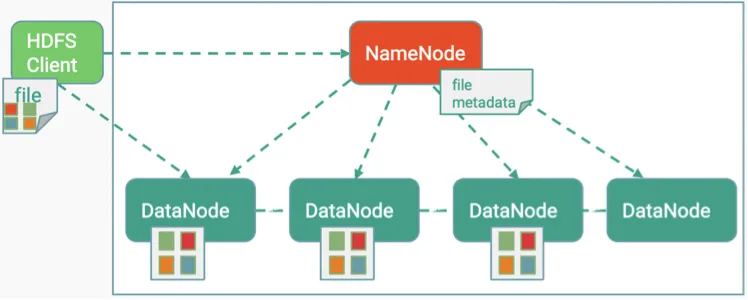
Evaluation of Erasure Coding in Hadoop 3 Authored By: Nazerke Seidan, Emil Kleszcz, Zbigniew Baranowski Published By: CERN IT-DB-SAS In this post, we will dive into the evaluation of the Erasure Coding feature of Hadoop 3 that I worked on this summer as a CERN Openlab intern. The evaluation has been performed on one of
-
Machine Learning Pipelines for High Energy Physics Using Apache Spark with BigDL and Analytics Zoo
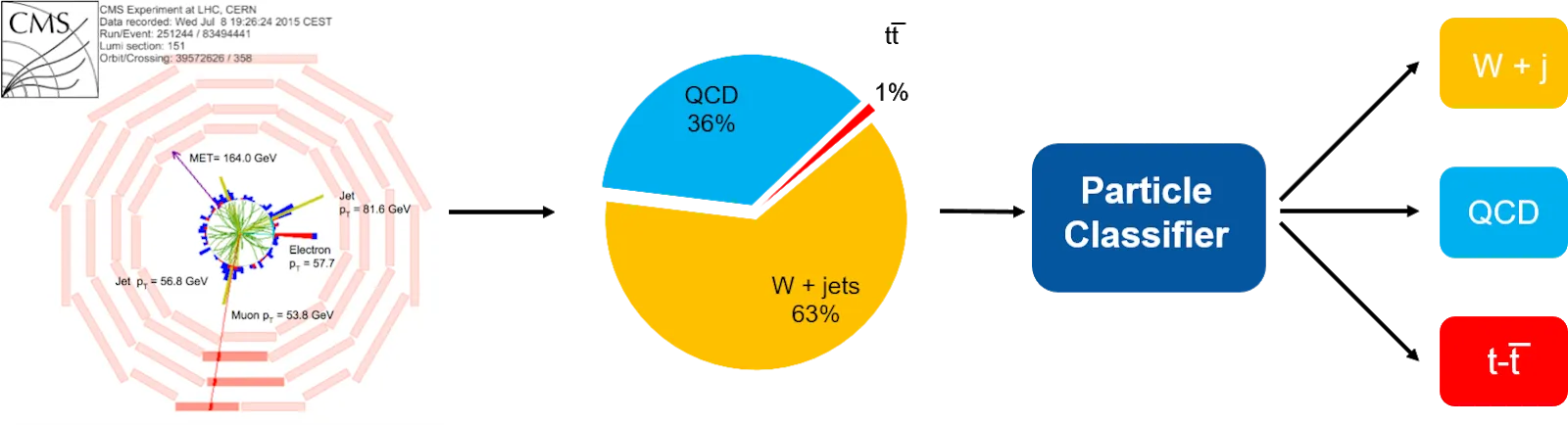
Machine Learning Pipelines for High Energy Physics Using Apache Spark with BigDL and Analytics Zoo Topic: This post describes a data pipeline for a machine learning task of interest in high energy physics: building a particle classifier to improve event selection at the particle detectors. The pipeline is built using tools from the “Big Data
-
A Performance Dashboard for Apache Spark
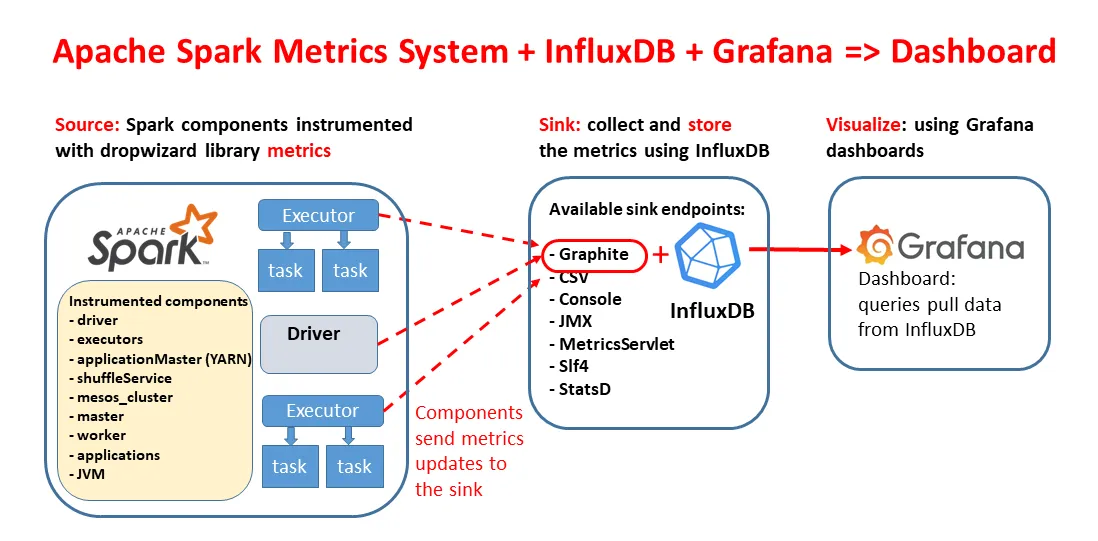
A Performance Dashboard for Apache Spark Topic: This post dives into the steps for deploying a performance dashboard for Apache Spark, using Spark metrics system instrumentation, InfluxDB and Grafana. What problem does it solve: The dashboard can provide important insights for performance troubleshooting and online monitoring of Apache Spark workloads. In particular when running Spark