
Tag: Linux
-

Troubleshoot I/O & Wait Latency with OraLatencyMap and PyLatencyMap
Troubleshoot I/O & Wait Latency with OraLatencyMap and PyLatencyMap I recently chased an Oracle performance issue where most reads were sub-millisecond (cache), but a thin band around ~10 ms (spindles) dominated total wait time. Classic bimodal latency: the fast band looked fine in averages, yet the rare slow band owned the delay. To investigate, and
-
Performance Comparison of 5 JDKs on Apache Spark
Performance Comparison of 5 JDKs on Apache Spark Dive into a comprehensive load-testing exploration using Apache Spark with CPU-intensive workloads. This blog provides a comparative analysis of five distinct JDKs’ performance under heavy-duty tasks generated through Spark. Discover a meticulous breakdown of our testing methodology, tools, and insightful results. Keep in mind, our observations primarily
-
CPU Load Testing Exercises: Tools and Analysis for Oracle Database Servers
CPU Load Testing Exercises: Tools and Analysis for Oracle Database Servers This document describes some basic CPU load testing exercises on three different types of database servers used by the Oracle Service at CERN. It reports on the tests performed, tools used for data gathering, data analysis, findings, and lessons learned. Motivations CPU usage is
-
Machine Learning Pipelines for High Energy Physics Using Apache Spark with BigDL and Analytics Zoo
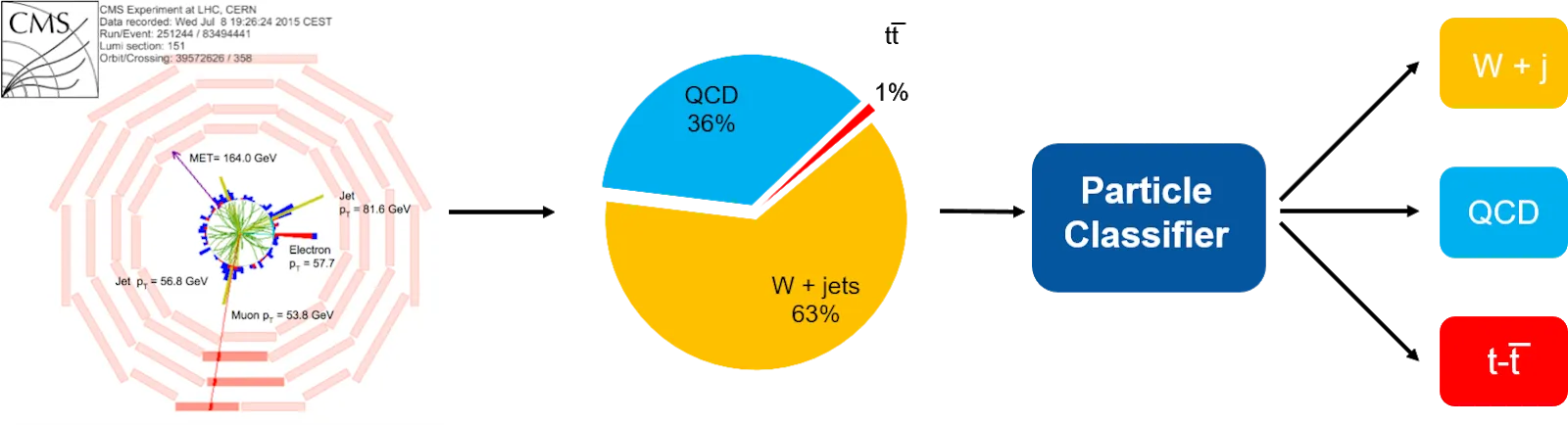
Machine Learning Pipelines for High Energy Physics Using Apache Spark with BigDL and Analytics Zoo Topic: This post describes a data pipeline for a machine learning task of interest in high energy physics: building a particle classifier to improve event selection at the particle detectors. The pipeline is built using tools from the “Big Data
-
Minimal Oracle
Minimal Oracle The Oracle Database software is large, several gigabytes in Oracle Home for the part that is deployed on the operating system, and additional megabytes in SYSTEM tablespace for the part that is deployed as stored procedures (mainly the dbms_% packages). And this is not a problem with the traditional deployment methods where you
-

Performance Analysis of a CPU-Intensive Workload in Apache Spark
Performance Analysis of a CPU-Intensive Workload in Apache Spark Topic: This post is about techniques and tools for measuring and understanding CPU-bound and memory-bound workloads in Apache Spark. You will find examples applied to studying a simple workload consisting of reading Apache Parquet files into a Spark DataFrame. Why are the topics discussed here relevant
-
Linux BPF/bcc for Oracle Tracing
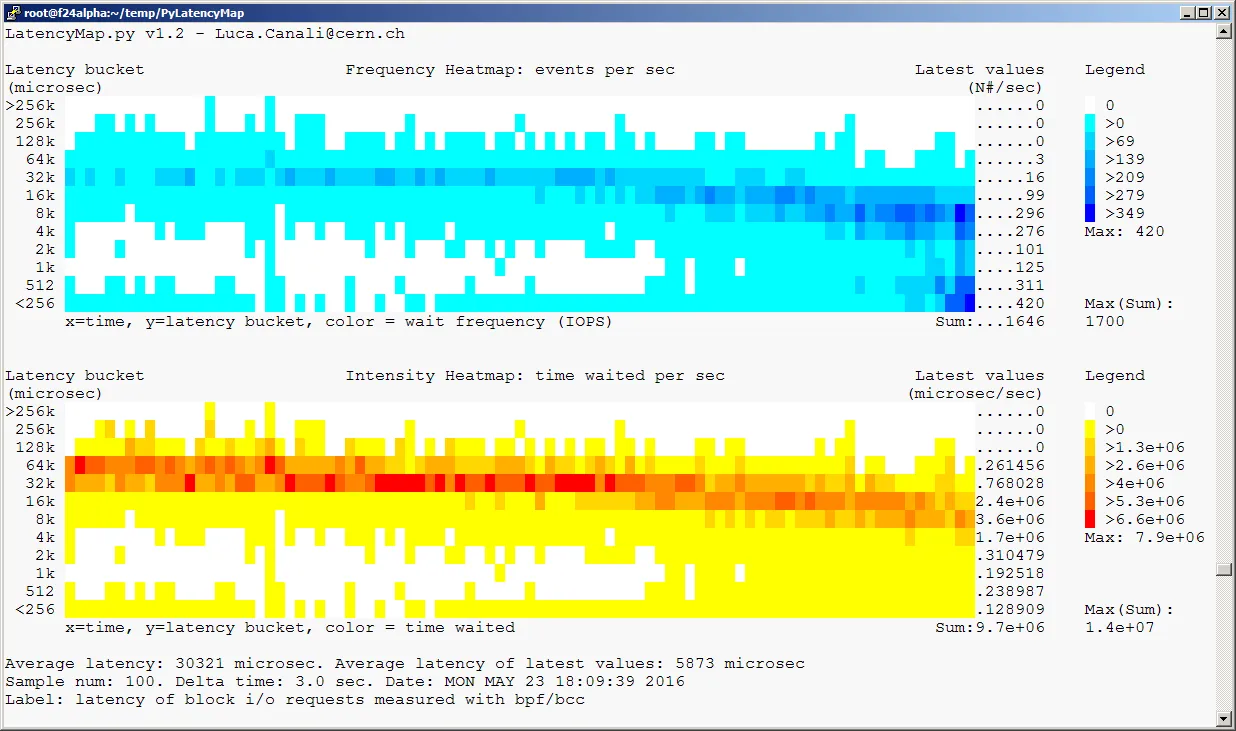
Linux BPF/bcc for Oracle Tracing Topic: In this post you will find a short discussion and pointers to the code of a few sample scripts that I have written using Linux BPF/bcc and uprobes for Oracle tracing. Previous work and motivations Tools for dynamic tracing are very useful for troubleshooting and internals investigations of Oracle
-
Linux Perf Probes for Oracle Tracing
Linux Perf Probes for Oracle Tracing Topic: this post is about Linux perf and uprobes for tracing and profiling Oracle workloads for advanced troubleshooting. Context The recent progress and maturity of some of the Linux dynamic tracing tools has raised interest in applying these techniques to Oracle troubleshooting and performance investigations. See Brendan Gregg‘s web
-

Linux Kernel Stack Profiling and Flame Graphs Applied to Oracle Investigations
Linux Kernel Stack Profiling and Flame Graphs Applied to Oracle Investigations Topic: This blog post is about kernel stack profiling and visualization with flame graphs. Context: Stack profiling and flame graphs are very useful tools and techniques for troubleshooting and investigating workloads at the OS-level and understand which code path take most of the execution
-
XFS on RHEL6 for Oracle – solving issue with direct I/O
XFS on RHEL6 for Oracle – solving issue with direct I/O Recently we were refreshing our recovery system infrastructure, by moving automatic recoveries to new servers, with big bunch of disks directly connected to each of them. Everything went fine until we started to run recoveries – they were much slower than before, even though