
Tag: REST
-

Why I’m Loving Spark 4’s Python Data Source (with Direct Arrow Batches)
Why I’m Loving Spark 4’s Python Data Source (with Direct Arrow Batches) TL;DR: Apache Spark 4 lets you build first-class data sources in pure Python. If your reader yields Arrow RecordBatch objects, Spark ingests them with reduced Python↔JVM serialization overhead. I used this to ship a ROOT data format reader for PySpark. A PySpark reader
-
Enhancing Apache Spark Performance with Flame Graphs: A Practical Example Using Grafana Pyroscope
Enhancing Apache Spark Performance with Flame Graphs: A Practical Example Using Grafana Pyroscope TL;DR Explore a step-by-step example of troubleshooting Apache Spark job performance using flame graph visualization and profiling. Discover the seamless integration of Grafana Pyroscope with Spark for streamlined data collection and visualization. The Puzzle of the Slow Query Set within the framework
-
Performance Comparison of 5 JDKs on Apache Spark
Performance Comparison of 5 JDKs on Apache Spark Dive into a comprehensive load-testing exploration using Apache Spark with CPU-intensive workloads. This blog provides a comparative analysis of five distinct JDKs’ performance under heavy-duty tasks generated through Spark. Discover a meticulous breakdown of our testing methodology, tools, and insightful results. Keep in mind, our observations primarily
-
Apache Spark 3.0 Memory Monitoring Improvements
Apache Spark 3.0 Memory Monitoring Improvements TLDR; Apache Spark 3.0 comes with many improvements, including new features for memory monitoring. This can help you troubleshooting memory usage and optimizing the memory configuration of your Spark jobs for better performance and stability, see SPARK-23429 and SPARK-27189. The problem with memory Memory is key for the performance
-
Building and documenting REST APIs with ORDS
Building and documenting REST APIs with ORDS Introduction In the first part of the article we will provide an overview of how you can use Oracle REST Data Services for providing APIs directly from your PL/SQL code . The second part covers how to document our Web services using Swagger. Lets begin with a couple
-
Oracle REST Data Services running on Tomcat – Basic Authentication using JNDI Realm
Oracle REST Data Services running on Tomcat – Basic Authentication using JNDI Realm What do we want to achieve? We want to protect our REST endpoints using Basic Authentication and authenticate the requests against our users directory (LDAP). We also want to manage the privileges centrally, through the ORDS Roles and Privileges (https://oracle-base.com/articles/misc/oracle-rest-data-services-ords-authentication#ords-roles-and-privileges), so no
-
A new web application for the DBOD service
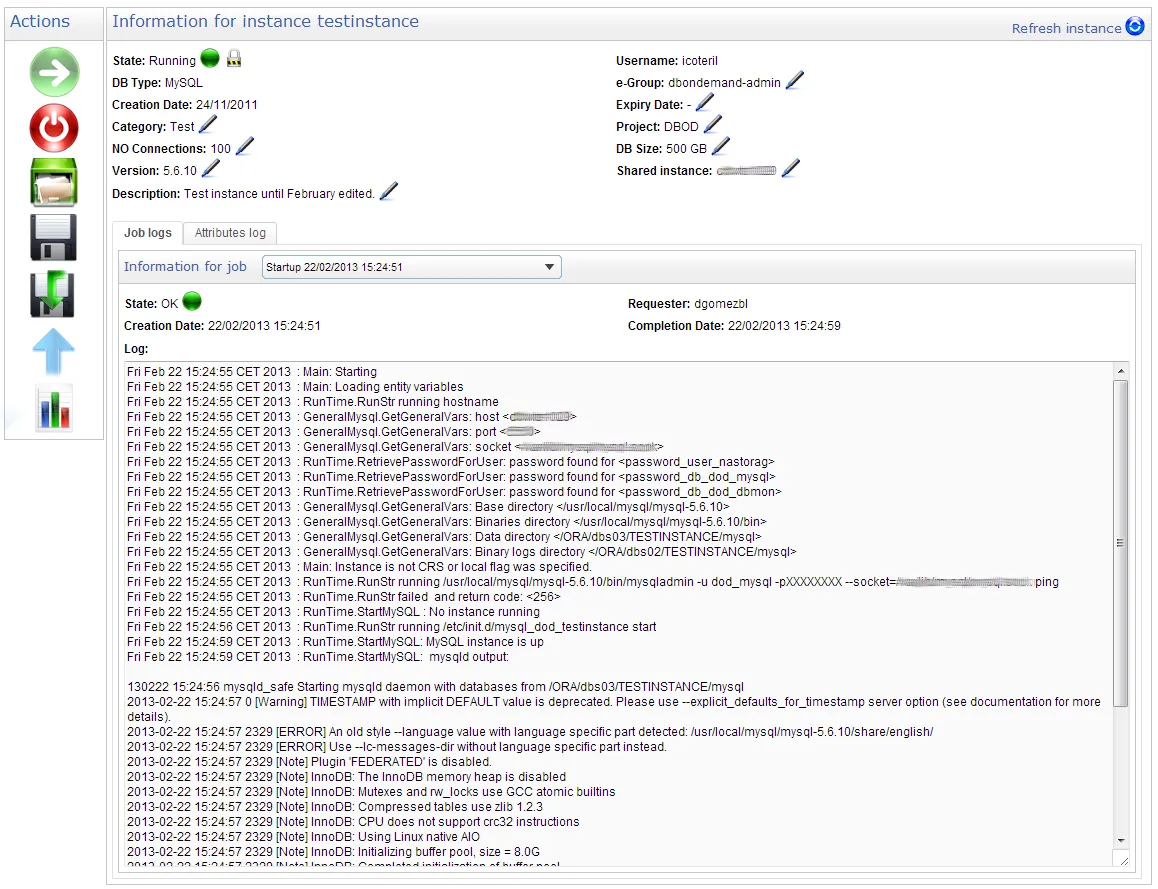
A new web application for the DBOD service Introduction The DBOD service maintains a web interface allowing “database on demand” users to carry out ordinary tasks without intervention of the administrators. It is with a view to ergonomy, but above all to modularity and scalability, that a complete redesign of this application has been initiated.
-

Performance Analysis of a CPU-Intensive Workload in Apache Spark
Performance Analysis of a CPU-Intensive Workload in Apache Spark Topic: This post is about techniques and tools for measuring and understanding CPU-bound and memory-bound workloads in Apache Spark. You will find examples applied to studying a simple workload consisting of reading Apache Parquet files into a Spark DataFrame. Why are the topics discussed here relevant
-
Oracle JET, ORDS & OAUTH2
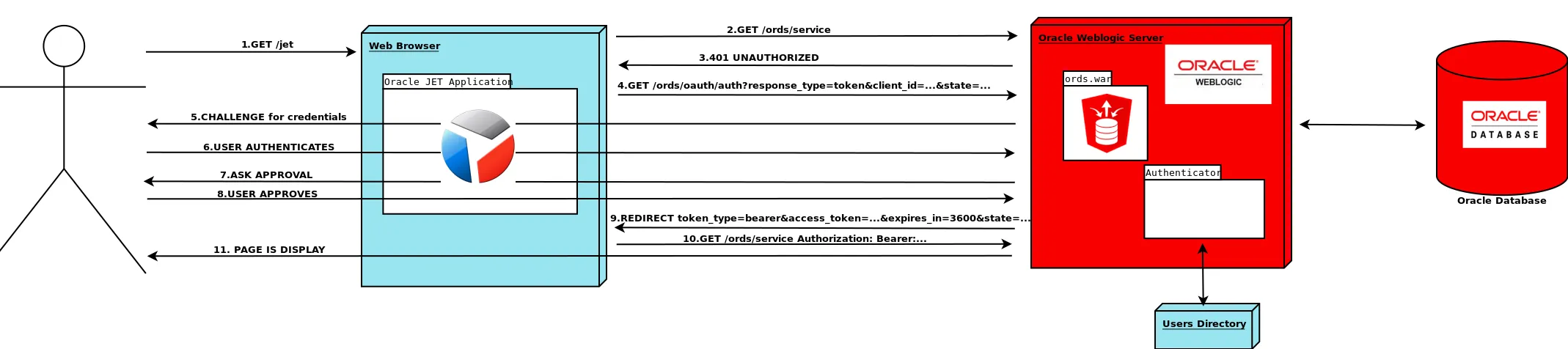
Oracle JET, ORDS & OAUTH2 Hello there, Probably you are familiar with other Oracle developer tools and frameworks like APEX and ADF. But maybe you are less aware that Oracle entered into the Javascript rumble with the Oracle Javascript Extension Toolkit. Oracle JET is a modular Javascript framework or toolkit formed by several popular Javascript
-
CERN IT-DB group develops a new WebLogic Command Line Interface tool for CERN Java Middleware Services
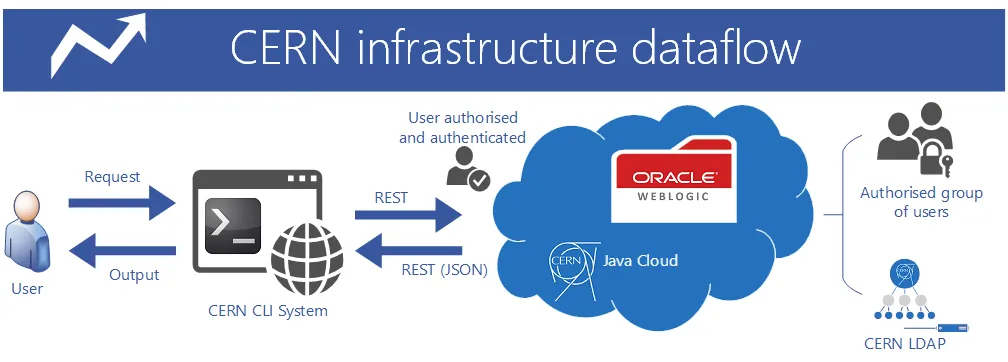
CERN IT-DB group develops a new WebLogic Command Line Interface tool for CERN Java Middleware Services Introduction CERN WebLogic CLI tool[1] is written in Python. A project is being realized in an object oriented way to contribute towards flexibility, modularity and legibility of a solution and the modules of the system are designed to maximize end-user