
Tag: LIKE
-

Exploratory Notebooks for Deep Learning, AI, and Data Tools: A Beginner’s Guide
Exploratory Notebooks for Deep Learning, AI, and Data Tools: A Beginner’s Guide Are you looking at some resources to get you up to speed with popular Deep Learning and Data processing frameworks? This blog entry provides a curated collection of notebooks that will help you kickstart your journey. You can find the notebooks at this
-
Apache Spark 3.0 Memory Monitoring Improvements
Apache Spark 3.0 Memory Monitoring Improvements TLDR; Apache Spark 3.0 comes with many improvements, including new features for memory monitoring. This can help you troubleshooting memory usage and optimizing the memory configuration of your Spark jobs for better performance and stability, see SPARK-23429 and SPARK-27189. The problem with memory Memory is key for the performance
-
ORDS – Managing APEX static images
ORDS – Managing APEX static images In today’s post, we’ll be talking about the possible ways to manage the static images/CSS/JS that come shipped with APEX, when running on ORDS. They are separate resources (not contained in the DB like some other APEX images) necessary for your APEX applications look and behave the way they’re
-
Building and documenting REST APIs with ORDS
Building and documenting REST APIs with ORDS Introduction In the first part of the article we will provide an overview of how you can use Oracle REST Data Services for providing APIs directly from your PL/SQL code . The second part covers how to document our Web services using Swagger. Lets begin with a couple
-
Benefits of a multi-layer system
Benefits of a multi-layer system Introduction Designing a multi-layer system is not rocket science, the difficulty can lie in selecting the right technologies. The main concept behind the design is to have better control and fine tuning of the components. This blog post will discuss the benefits & limitations of implementing this type of design
-
Oracle REST Data Services running on Tomcat – Basic Authentication using JNDI Realm
Oracle REST Data Services running on Tomcat – Basic Authentication using JNDI Realm What do we want to achieve? We want to protect our REST endpoints using Basic Authentication and authenticate the requests against our users directory (LDAP). We also want to manage the privileges centrally, through the ORDS Roles and Privileges (https://oracle-base.com/articles/misc/oracle-rest-data-services-ords-authentication#ords-roles-and-privileges), so no
-
Evaluation of Erasure Coding in Hadoop 3
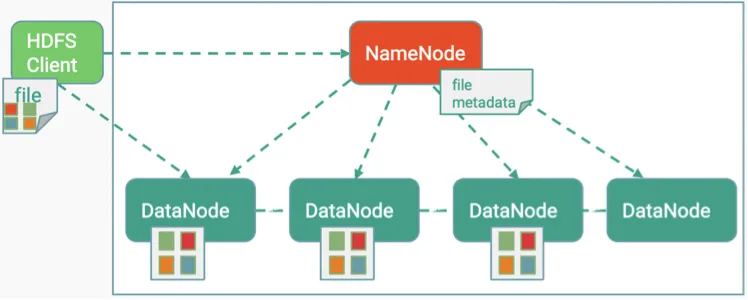
Evaluation of Erasure Coding in Hadoop 3 Authored By: Nazerke Seidan, Emil Kleszcz, Zbigniew Baranowski Published By: CERN IT-DB-SAS In this post, we will dive into the evaluation of the Erasure Coding feature of Hadoop 3 that I worked on this summer as a CERN Openlab intern. The evaluation has been performed on one of
-
A Performance Dashboard for Apache Spark
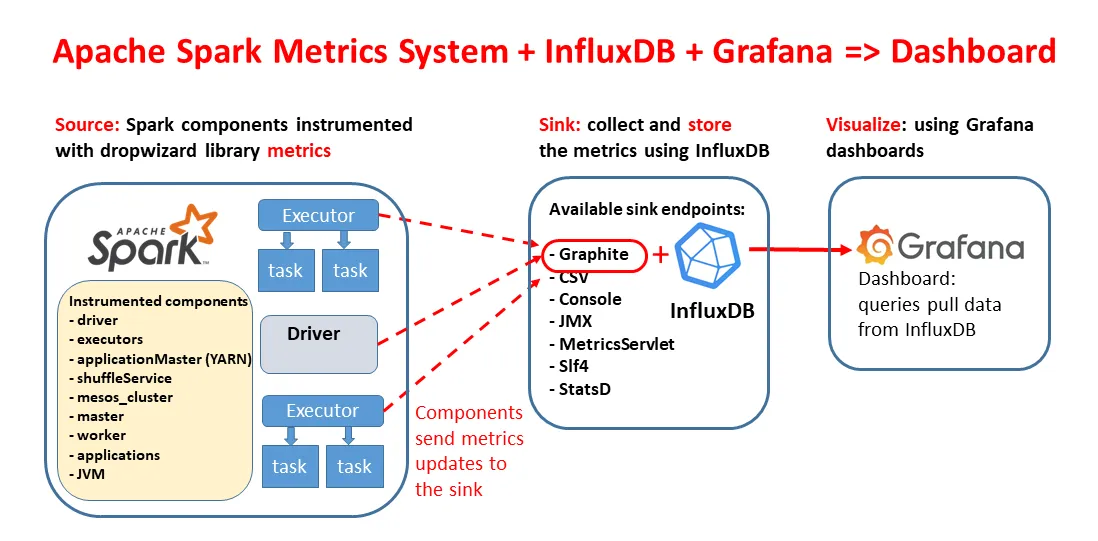
A Performance Dashboard for Apache Spark Topic: This post dives into the steps for deploying a performance dashboard for Apache Spark, using Spark metrics system instrumentation, InfluxDB and Grafana. What problem does it solve: The dashboard can provide important insights for performance troubleshooting and online monitoring of Apache Spark workloads. In particular when running Spark
-
Minimal Oracle
Minimal Oracle The Oracle Database software is large, several gigabytes in Oracle Home for the part that is deployed on the operating system, and additional megabytes in SYSTEM tablespace for the part that is deployed as stored procedures (mainly the dbms_% packages). And this is not a problem with the traditional deployment methods where you
-
Oracle LIKE predicate and cardinality estimations
Oracle LIKE predicate and cardinality estimations There are not many ways to access efficiently to table rows. Either you want lot of them, because your predicate is not very selective, and you read the whole table in the fastest you can do. This is Table Full Scan. Or you use a structure that gives you