
Category: Blog Post
-

How to generate subset out of Real Application Testing captures
How to generate subset out of Real Application Testing captures I’ve already mentioned on this blog very useful Consolidated Database Replay feature, for example while testing unified auditing performance impact (http://db-blog.web.cern.ch/blog/szymon-skorupinski/2014-06-unified-auditing-performance) or while investigating problems with hanging workload capture (http://db-blog.web.cern.ch/blog/szymon-skorupinski/2014-06-starting-workload-capture-hangs-it-really-problem-rat). But only recently I’ve found that along with this functionality, there was additional and again
-
Linux Perf Probes for Oracle Tracing
Linux Perf Probes for Oracle Tracing Topic: this post is about Linux perf and uprobes for tracing and profiling Oracle workloads for advanced troubleshooting. Context The recent progress and maturity of some of the Linux dynamic tracing tools has raised interest in applying these techniques to Oracle troubleshooting and performance investigations. See Brendan Gregg‘s web
-
OEM 13c New Target Type: Database Service
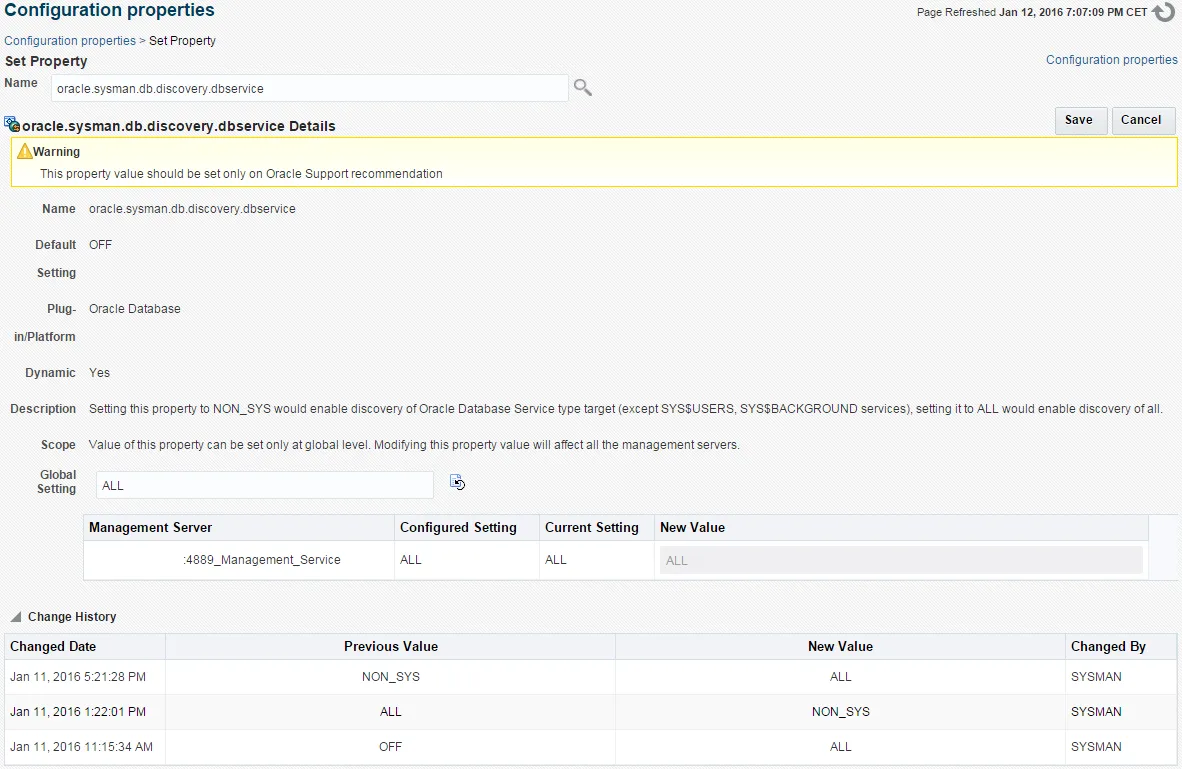
OEM 13c New Target Type: Database Service Oracle Enterprise Manager 13c was recently launched and among the new features it brings there is a new target type. This was something requested by many people since long time and now it is here: the Database Service target type. OEM 13c can now monitor the Oracle database
-
Extended Stack Profiling – Ideas, Tools and Comments
Extended Stack Profiling – Ideas, Tools and Comments Topic: This post provides a short summary and pointers to previous work on Extended Stack Profiling for troubleshooting and performance investigations. Understanding the workload is an important part of troubleshooting activities. We seek answers to questions like: what is the system doing, where is the time spent,
-
Slides of the CERN Talks at UKOUG Tech15
Slides of the CERN Talks at UKOUG Tech15 This is a short blog post with the links to download the slides of the presentations with CERN speakers at UKOUG Tech15: Many thanks to UKOUG for delivering once more a technical conference of very high quality and to all the participants who make the conference a
-
CERN IT-DB group develops a new WebLogic Command Line Interface tool for CERN Java Middleware Services
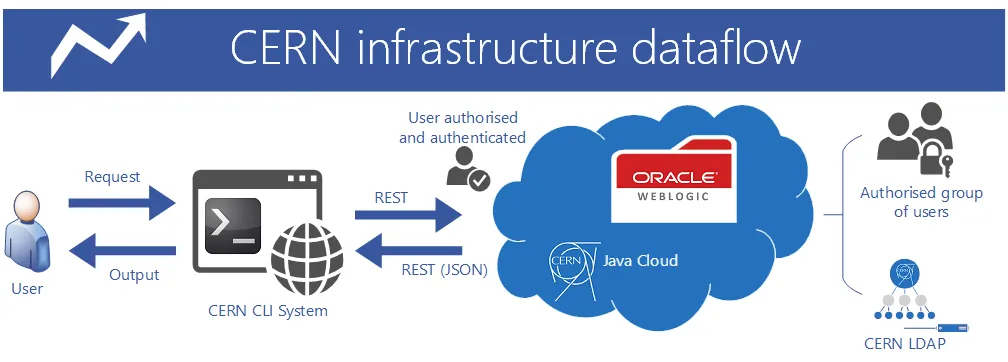
CERN IT-DB group develops a new WebLogic Command Line Interface tool for CERN Java Middleware Services Introduction CERN WebLogic CLI tool[1] is written in Python. A project is being realized in an object oriented way to contribute towards flexibility, modularity and legibility of a solution and the modules of the system are designed to maximize end-user
-
Oracle Weblogic Maven Plugin Quickstart
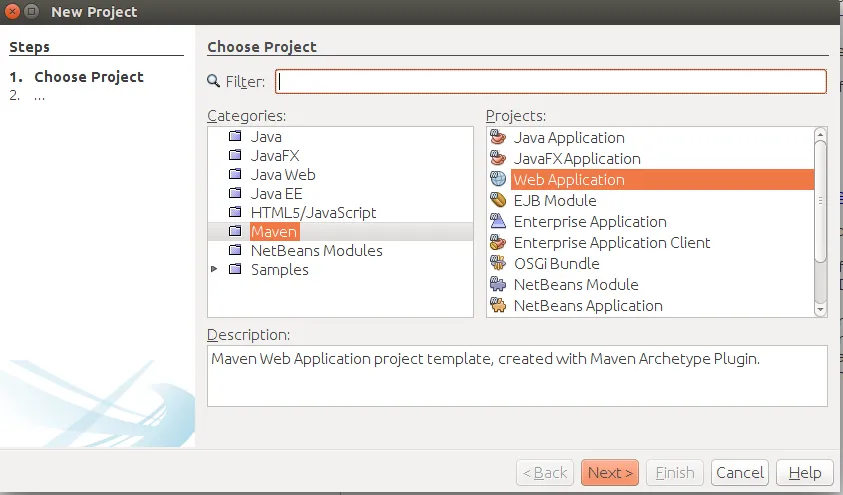
Oracle Weblogic Maven Plugin Quickstart If you have worked with maven in an enterprise environment probably you have followed recipes like this one (btw thanks Mykong!) in order to integrate Oracle libraries in your projects. But nowadays you can forget about all these tricks because since the beginning of the year the Oracle Maven repository
-
Oracle Wait Events Investigated With Extended Stack Profiling and Flame Graphs
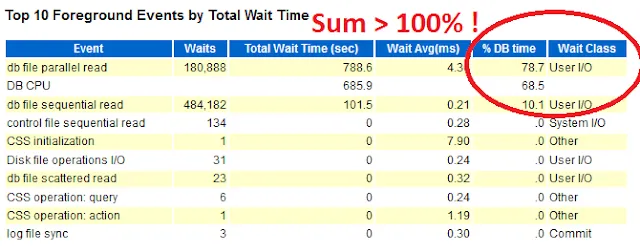
Oracle Wait Events Investigated With Extended Stack Profiling and Flame Graphs Topic: this post is about investigating Oracle wait events using stack profiles and flame graphs extended with OS-process state and Oracle wait event details. Context: The case of the DB Time > CPU Time + Wait Time Oracle instrumentation provides wait event and CPU
-

Linux Kernel Stack Profiling and Flame Graphs Applied to Oracle Investigations
Linux Kernel Stack Profiling and Flame Graphs Applied to Oracle Investigations Topic: This blog post is about kernel stack profiling and visualization with flame graphs. Context: Stack profiling and flame graphs are very useful tools and techniques for troubleshooting and investigating workloads at the OS-level and understand which code path take most of the execution
-
XFS on RHEL6 for Oracle – solving issue with direct I/O
XFS on RHEL6 for Oracle – solving issue with direct I/O Recently we were refreshing our recovery system infrastructure, by moving automatic recoveries to new servers, with big bunch of disks directly connected to each of them. Everything went fine until we started to run recoveries – they were much slower than before, even though